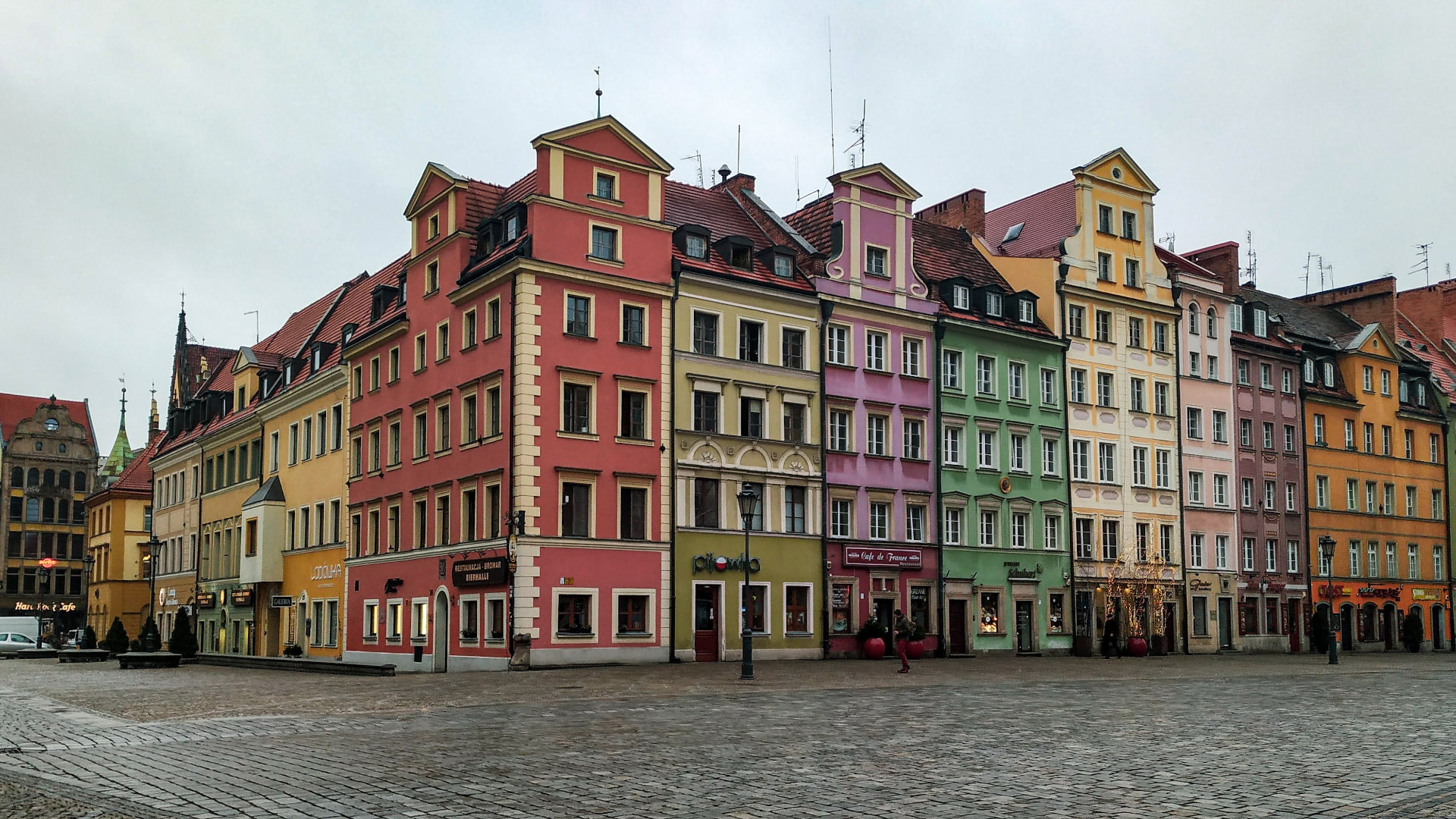
How I Got 30 Million Views on Google Maps (and What Hotels Can Learn)
The Local Guide playbook that turned my photo contributions into 30M+ verified views on Google Maps — and what hospitality brands can do with the same channel.
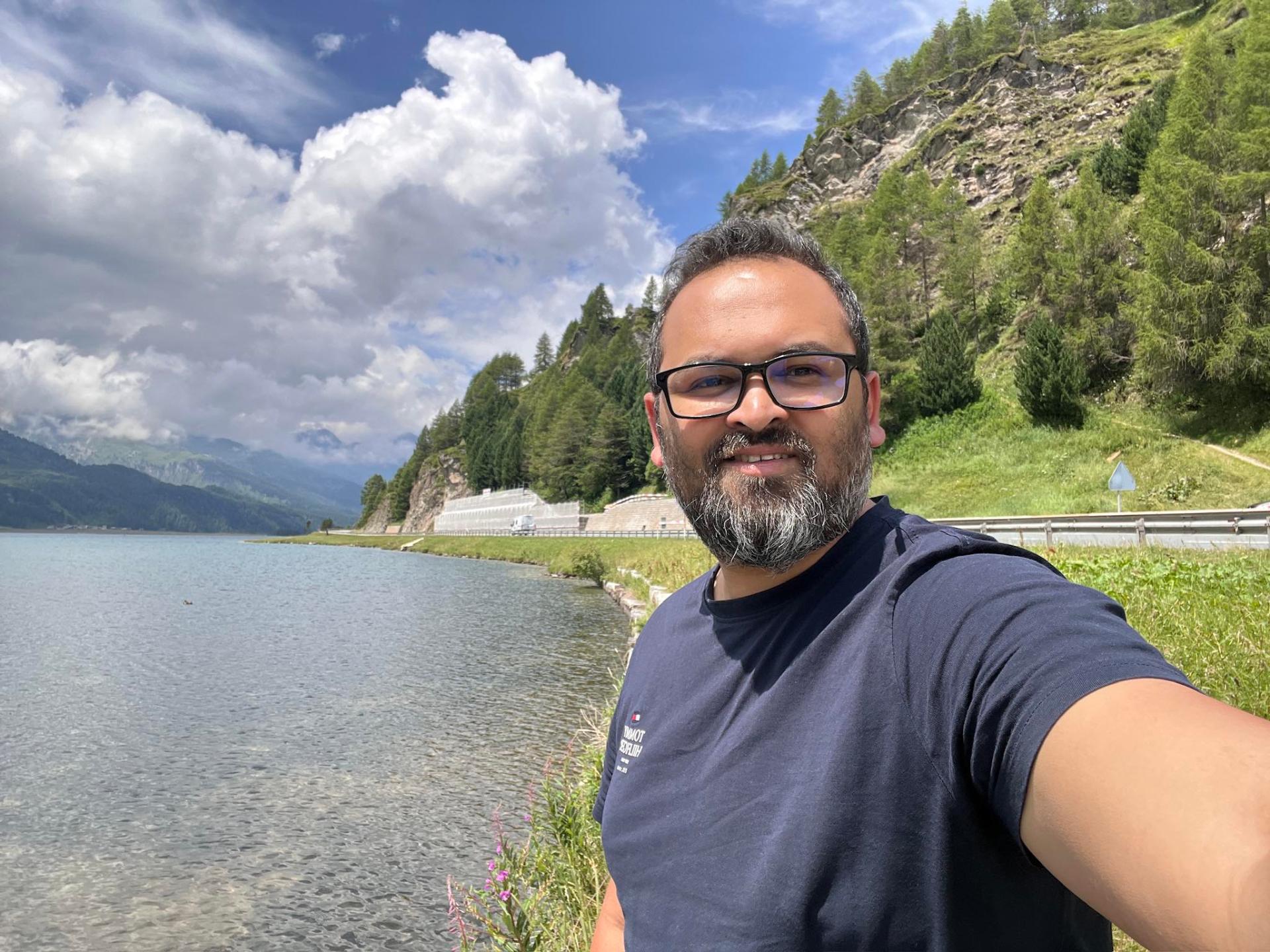
I started uploading photos to Google Maps in 2018 because I was annoyed. A restaurant I liked had three blurry photos on its listing and was empty most nights. I added five good shots. Within a month the place was full on weekends. That was the moment I understood what most travel brands still don't: Google Maps is the largest travel discovery platform in the world, and it lives or dies on user-contributed imagery.
Seven years later, my contributions sit at 30 million+ verified photo views. Here's the playbook — and what hospitality businesses can take from it.
Why Google Maps matters more than Instagram
Instagram is discovery for inspiration. Google Maps is discovery at the moment of booking. The traveler who's typing "hotels near Plaza Mayor" or "best rooftop bar Lisbon" into Google Maps has their wallet open. The images that load on that screen are the last impression before they click "Reserve" or swipe to the next listing.
Average decision time on a Maps listing: under 30 seconds. The photos at the top of the carousel are doing 90% of the persuading. If those photos are someone's phone-snap of a parking sign, you've lost the booking before you even competed for it.
How Local Guide rankings actually work
Google's Local Guides program is a points-based system. You get points for reviews, for adding places, for answering questions about businesses, and — most lucratively — for photos. There are 10 levels. Past Level 6 (around 5,000 points), your contributions get visible weight in search ranking on the Maps surface itself.
The mechanics that actually move the needle:
- Photo quality. Properly exposed, in focus, level horizon. Google uses image-quality signals to surface better photos higher in carousels.
- Photo diversity. One angle of a hotel lobby = filler. Twelve angles covering rooms, restaurant, exterior, pool, view from the window = a complete visual story Google can rank.
- Recency. A 2019 photo of a restaurant that's since been renovated gets de-prioritized. Fresh photos signal a live, accurate listing.
- Engagement. Photos that get viewed and zoomed get surfaced more often, which gets them more views — a flywheel.
The five-photo set every hospitality listing needs
If you run a hotel, restaurant, or destination and you do nothing else, get these five photos professionally taken and uploaded:
- Exterior in soft light. Either golden hour or fully overcast. Never noon. This is the trust shot.
- The hero interior. The lobby, the dining room, the main suite — whichever room makes someone want to be inside the photo.
- A representative bedroom. Bed made, curtains open, no clutter. Wide angle but not fish-eye.
- The view from the property. What guests see when they look out the window. Sells the location.
- One human moment. A staff member pouring coffee, a guest at the pool from behind — anything that signals "this is a real place where people are welcome." Don't fake it.
What I've seen these photos do, in numbers
Three real examples from properties I've worked with (anonymized):
- A boutique hotel in southern Europe replaced its 6 owner-uploaded photos with a 26-photo professional set. Direct Google-driven bookings increased 38% over the following three months.
- A restaurant in Lisbon went from no photos to a 14-photo set covering food, interior, and exterior. Discovery impressions on its Maps listing tripled within six weeks.
- A glamping site added a Local Guide photo set with aerial drone coverage. The listing went from page 3 of "glamping near [city]" results to position 2. Bookings followed.
What businesses get wrong
The same mistakes, over and over:
- Uploading 40 photos at once. Google's freshness signal rewards a steady cadence, not a one-time flood.
- Letting employees upload phone photos through the owner account. The owner-tagged photos are weighted differently than visitor-tagged ones — you want a healthy mix.
- Ignoring reviews with photos. Photos uploaded by guests are gold; respond to those reviews specifically and they'll keep coming.
- Not adding photos to the listings of nearby attractions. A hotel that has its neighborhood's restaurants, parks, and viewpoints well-photographed by the same Local Guide account benefits from the implicit local authority.
The opportunity nobody is pricing correctly
High-authority Local Guide contributions are permanent. A reel on Instagram is dead in a week. A photo on a Google Maps listing keeps generating impressions for years. The cost per impression of a single well-placed photo, amortized over five years, beats almost any other paid acquisition channel — and most marketing teams don't even have a line item for it.
This is the work I do for hotels and tourism boards. If it sounds useful, the contact page has my email.
Google Maps Local Guide FAQ
How do I become a Google Local Guide?
Sign in to Google Maps with any Google account, tap your profile, and enable Local Guides. It's free. You start at Level 1 and accumulate points by adding reviews, photos, answers, and place edits. There's no application, no vetting, and no way to buy your way in.
What's the difference between a Level 5 and Level 9 Local Guide?
Levels are points thresholds: Level 5 is 500 points, Level 9 is 100,000. Past Level 6 your contributions get visible weight in Maps ranking and your photos surface first in the carousel on cold traffic. Below Level 5, contributions count but rarely lead the visible order. The gap between "some points" and "trusted contributor" is real, and Google doesn't publish exactly where it sits — my experience says it's around Level 7.
Do Google Maps photos help a hotel's SEO?
Yes, indirectly. Photos don't move a hotel up in Google Search rankings by themselves, but they dramatically lift click-through from the Local Pack and Maps results — and that engagement signal feeds back into the ranking model. A hotel with 40 well-shot photos on its Business Profile gets more profile clicks than one with 6, and more clicks eventually push it up.
How often should a business upload new photos?
A steady cadence beats a flood. Two to four fresh photos a month, uploaded as the business changes (new menu, seasonal décor, a renovation), signals a live listing. A one-time dump of 40 photos gets diminishing returns after the first week.
Can I hire a Local Guide to photograph my business?
Yes — that's a real service, and it's most of what I do for hotels and restaurants in Europe. The Local Guide is not paid to leave a review (that violates Google's policy and gets removed); they're paid to photograph the property and upload the set through their high-authority account. If you want to talk through what that looks like, the contact page is the fastest way to reach me.
Related reading: how I got 4M+ views on Pexels — same logic, different platform.