Istanbul Travel Guide: What to Visit & What to Avoid
Istanbul travel guide — what to visit on both continents, the scams to avoid, the best time to come, ferries over taxis, and a practical 3-day plan.
Istanbul is the only city on earth that sits on two continents, and it behaves like it. Europe ends and Asia begins across a strait you cross on a commuter ferry with a glass of tea in your hand. Roman walls, Byzantine churches, Ottoman palaces and a skyline of five hundred mosques are all in daily use here — not preserved behind ropes, just part of the working city of sixteen million people.
It's also a city that tests visitors. The taxi scams are real, the bazaar prices are theatre, and the Sultanahmet touts are among the most persistent in Europe. This is a working guide: the history you can actually walk through, what's genuinely worth visiting, what to avoid, when to come, how to get around on an Istanbulkart, and a three-day plan that uses the ferries the way locals do.
A short history you can see on foot
The city began around 657 BC as Byzantium, a Greek trading colony on the tip of the peninsula where the Golden Horn meets the Bosphorus — a position so good for controlling trade between the Black Sea and the Aegean that everyone wanted it. In 330 AD the Roman emperor Constantine refounded it as Constantinople, the new capital of the Roman Empire, and for the next thousand years it was the largest and richest city in Christendom.
The Byzantines left three things you can still touch. The Hagia Sophia, built in 537 and for nearly a millennium the largest enclosed space in the world. The Hippodrome, now a long park where Egyptian obelisks still stand where the chariot track ran. And the Theodosian land walls — 6.5 km of double fortification that kept the city unconquered for a thousand years, and which you can still walk beside on the western edge of the old town.
In 1453 Mehmed II took the city for the Ottomans, and Constantinople became the capital of an empire that lasted into the twentieth century. That layer is everywhere: the Blue Mosque and Süleymaniye, Topkapi Palace where the sultans lived for four centuries, the Grand Bazaar that grew under them, and hundreds of neighbourhood mosques by the architect Sinan. When the Ottoman Empire collapsed after the First World War, Atatürk moved the capital to Ankara — but Istanbul remained, and remains, the country's economic and cultural heart.
Why Istanbul is worth visiting
- Two continents in one trip. A 20-minute public ferry crosses from Europe to Asia for the price of a coffee.
- 1,600 years of capital-city architecture. Byzantine mosaics and Ottoman domes within a ten-minute walk of each other.
- The Bosphorus. A working strait of tankers, ferries and waterfront palaces that functions as the city's main street.
- The food. Breakfast spreads, kebap culture, meze, baklava — one of the world's great eating cities.
- Value. Even with lira inflation, food, transport and museums run well below western European prices.
What to visit in Istanbul
Sultanahmet: the historic peninsula
- Hagia Sophia. The single essential building. It now functions as a mosque again, so visiting means prayer-time closures and a dress code — check current hours before you go and arrive early.
- Blue Mosque (Sultan Ahmed Mosque). Six minarets and 20,000 İznik tiles. Free, active, and closed to tourists during prayers. Shoulders and knees covered; women cover their hair (scarves are provided at the door).
- Topkapi Palace. The sultans' home for 400 years — courtyards, the harem (separate ticket, worth it), treasury, and a terrace over the Bosphorus. Allow half a day.
- Basilica Cistern. A sixth-century underground water reservoir held up by 336 columns, with the two Medusa-head column bases at the far end. Timed tickets; book online to skip the queue.
- Istanbul Archaeological Museums. Quiet, excellent, and next to Topkapi — the antidote to Sultanahmet crowds.
The bazaars and the old commercial city
- Grand Bazaar. 4,000 shops under one roof since 1461. Go for the architecture and the atmosphere, buy only if you enjoy haggling — opening prices assume it. The surrounding lanes sell to locals at half the price.
- Spice Bazaar (Egyptian Bazaar). Smaller and more fragrant than the Grand Bazaar; good for Turkish delight, spices and teas, with the same rule — taste first, negotiate second.
- Süleymaniye Mosque. Sinan's masterpiece, a ten-minute walk from the bazaars, and calmer than anything in Sultanahmet. The terrace behind it has one of the best free views of the Golden Horn.
Across the Golden Horn: Galata, Karaköy, Beyoğlu
- Galata Tower. The fourteenth-century Genoese tower with a 360-degree balcony over the whole city. Timed tickets; sunset slots sell out.
- Karaköy. The old port district turned café and gallery strip — the best coffee in the city and an easy walk from the tower.
- İstiklal Avenue and Taksim. The long pedestrian shopping street with the nostalgic red tram. Crowded but worth one walk end to end; duck into the 19th-century arcades (pasaj) along it.
- Dolmabahçe Palace. The Ottomans' nineteenth-century European-style palace on the Bosphorus — 285 rooms and a 4.5-tonne chandelier. Strictly timed tours; book ahead.
The Bosphorus and the Asian side
- A Bosphorus cruise. The one paid activity that's always worth it. The public Şehir Hatları ferry runs the full strait to Anadolu Kavağı near the Black Sea, or take the short 90-minute loop. Sit on the outside deck.
- Ortaköy. A waterside neighbourhood under the Bosphorus Bridge with a photogenic baroque mosque and the city's best kumpir (loaded baked potato) stalls.
- Üsküdar and Kuzguncuk. The Asian shore — Ottoman mosques, wooden houses, and locals' Istanbul with almost no tourists.
- Kadıköy. The Asian side's food and market district. Take the ferry at sunset, eat your way through the market, come back after dark.
Best time to visit Istanbul
April to mid-June and September to October are the sweet spots: 18–26°C, long light, and everything open. April brings the tulip festival — Istanbul planted them centuries before the Dutch — and my own pick would be late September, when the summer crowds thin but the sea is still warm.
July and August are hot and sticky at 30°C+, with the biggest crowds of the year and locals escaping to the coast. November to February is grey, wet and occasionally snowy — but the museums are empty, hotel prices drop hard, and the city in the rain is atmospheric rather than miserable. Ramadan and the two Eid holidays shift each year: checking dates before you book is worth it, since Eid week means closures and domestic-tourist crowds.
What to avoid in Istanbul
None of this should put you off — Istanbul is safe and most people you meet are genuinely hospitable. But a handful of well-documented hustles target tourists, and knowing them in advance costs you nothing.
- Taxi scams. The classic problems: "broken" meters, scenic routes, note-switching (you hand over 100, the driver shows a 20 and claims you underpaid), and outright refusal of short rides. Use the BiTaksi or Uber app (which book regular yellow taxis), or agree the meter before the door closes. Better still, skip taxis entirely — trams and ferries are faster for most tourist routes.
- The shoe-shiner's dropped brush. A shoe-shiner walks past you and "accidentally" drops his brush. If you pick it up, he insists on a free shine as thanks — then demands payment at the end. Just don't pick it up.
- The "my friend has a carpet shop" tout. Friendly men near Sultanahmet who speak perfect English, offer directions or restaurant tips, and steer you to a relative's shop where the pressure starts. A polite, firm "no thank you" and keep walking.
- Bazaar first prices. Opening prices in the Grand Bazaar assume haggling — offering 40–50% of the first quote and meeting in the middle is normal and expected, not rude. If a price feels wrong, walk away; you'll usually be called back with a better one.
- Unlicensed Bosphorus "tours." Men at Eminönü docks selling overpriced private cruises that turn out to be crowded boats leaving "in five minutes" for an hour. Take the official Şehir Hatları ferries from the clearly signed piers instead — a fraction of the price, better boats.
- Menus without prices. Especially fish restaurants near the water and bars around Taksim. If prices aren't printed, ask before ordering — and check the bill.
- Surprise-cover-charge bars. Around İstiklal, some bars add cover charges or inflated "snack" charges to the bill. Stick to places with visible menus and reviews.
- Buying a SIM at the airport. Tourist SIM packages at IST are marked up heavily; buy from an official Turkcell/Vodafone/Türk Telekom shop in the city instead, or use an eSIM.
How to plan your trip
Four full days is ideal: two for the European side's historic core, one for the bazaars, Galata and the Golden Horn, one for the Bosphorus and the Asian side. Three days covers the essentials below without rushing.
A 3-day Istanbul itinerary
- Day 1 — Sultanahmet. Hagia Sophia at opening, Blue Mosque between prayer times, Basilica Cistern, lunch in the old town, Topkapi Palace for the afternoon, sunset from the Gülhane Park side of the peninsula.
- Day 2 — bazaars and the Golden Horn. Grand Bazaar in the morning, Spice Bazaar, walk across Galata Bridge past the fishermen, Karaköy for coffee, Galata Tower before sunset, dinner in Beyoğlu.
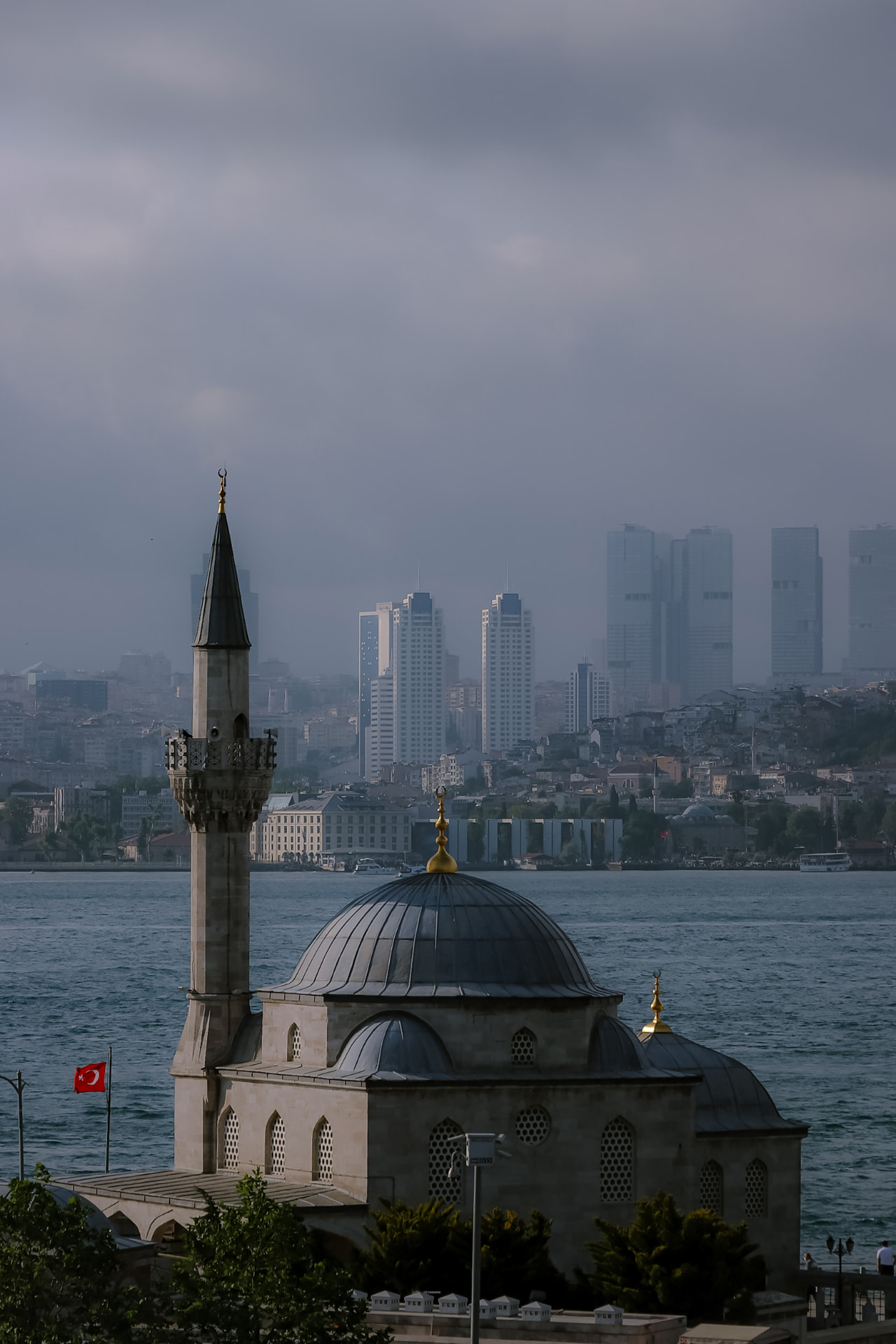
- Day 3 — the Bosphorus and Asia. Morning Şehir Hatları cruise or ferry to Üsküdar, Şemsi Pasha Mosque and the waterfront, ferry along to Kadıköy for the market and dinner, ferry back at night when the mosques are lit.
- Day 4 (optional). Dolmabahçe Palace and Ortaköy, or a day trip to the Princes' Islands — car-free, 90 minutes by ferry.
Where to base yourself
- Sultanahmet — walk to everything historic; quiet and touristy at night.
- Karaköy / Galata — the best balance: central, good food, lively but livable.
- Beyoğlu / Cihangir — nightlife, cafés, the local-creative crowd.
- Kadıköy (Asian side) — the best value and food scene; you'll commute by ferry, which is a pleasure, not a chore.
Getting there and getting around
Istanbul Airport (IST) is one of the biggest in the world and the main hub. The M11 metro runs to the city in about 40 minutes, and Havaist buses serve Taksim, Sultanahmet and other districts around the clock. Taxis from the airport are fine if metered — confirm before you get in. The older Sabiha Gökçen (SAW) airport on the Asian side serves most budget airlines; the M4 metro and Havabus connect it.
In town, buy an Istanbulkart at any station kiosk — one reloadable card for the metro, trams, buses, ferries and funiculars, at a fraction of single-ticket prices, and shareable between several people. The T1 tram links Sultanahmet, the Grand Bazaar, Eminönü and Karaköy — it's the tourist spine of the city. But the real transport secret is the ferries: they're cheap, they run constantly, they're faster than any road across the Bosphorus, and the ride itself is a sightseeing tour with tea service.
Photography notes
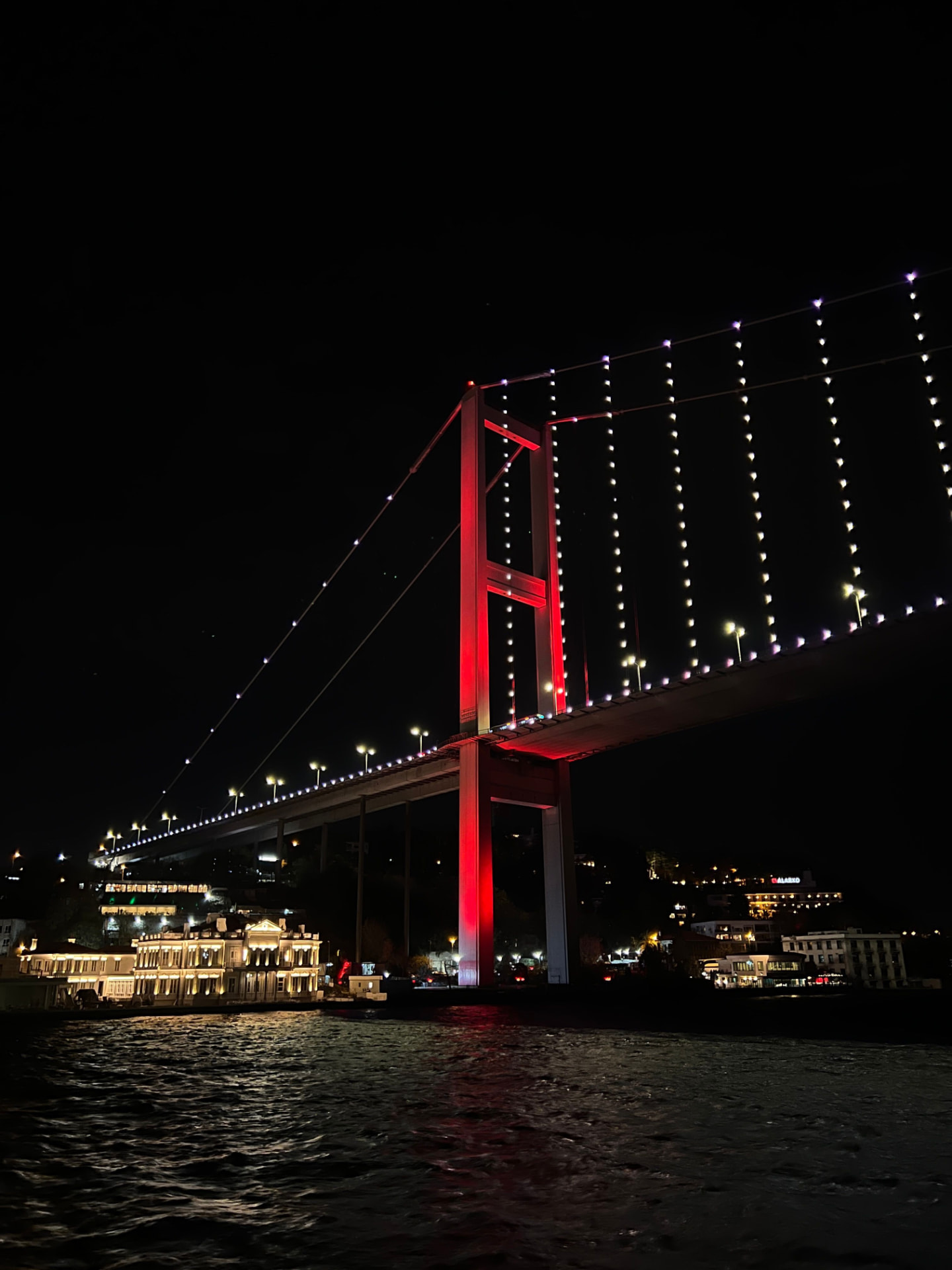
Istanbul is a blue-hour city first. The mosques are floodlit, the Bosphorus turns to black glass, and the bridge LEDs cycle through their colours — the shot at the top of this page was taken from a ferry's rear deck about twenty minutes after sunset.
- Ferry decks are the best tripod-free platform in the city — shoot the skyline crossing to Kadıköy at sunset, and the bridges on the night crossing back.
- Galata Bridge at dawn: fishermen, gulls, and the mosque skyline behind. The classic Istanbul frame.
- Süleymaniye terrace for the Golden Horn panorama without the Galata Tower ticket queue.
- Inside mosques: photography is allowed outside prayer times — be discreet, never photograph worshippers from the front, no flash.
- Drones: effectively off the table over Istanbul — dense urban no-fly zones, two airports, and strict enforcement. My EASA drone guide covers the European rules; Turkey's are stricter again. Leave it at home for this city.
Eating and drinking
Start with Turkish breakfast (kahvaltı) — a table covered in cheeses, olives, honey and kaymak, eggs, tomatoes, simit and endless tea, and easily the best morning ritual in Europe. Beyond that: kebap at a neighbourhood ocakbaşı grill, balık ekmek (grilled fish in bread) by the water in Eminönü, meze and rakı at a meyhane in Beyoğlu, and baklava from a dedicated baklavacı, not a souvenir shop. Kadıköy's market is the single best eating street in the city.
Tea (çay) is offered constantly and often free — accepting it is part of the culture, and it doesn't obligate you to buy anything in a shop. Tipping is modest: round up, or 5–10% in sit-down restaurants. Cards are accepted almost everywhere now, but keep small lira notes for tea gardens, ferries and markets.
Practical tips
- Visas: many nationalities need an e-visa — buy it only from the official evisa.gov.tr site, never from lookalike agents that rank above it in ads.
- Currency: the lira moves fast, so prices in euros on menus age badly — pay in lira by card for the fairest rate, and don't exchange large sums at the airport.
- Mosque etiquette: shoulders and knees covered, women cover their hair, shoes off at the door, quiet during prayer. Tourist entry is paused during the five daily prayers — Friday midday is the longest closure.
- Haggling applies in bazaars and souvenir shops, not in normal shops, restaurants or supermarkets.
- Safety: Istanbul is a safe megacity for tourists. The real risks are the scams above and pickpockets on İstiklal and crowded trams — keep your phone in a front pocket.
- Friday and Sunday: the Grand Bazaar closes on Sundays; the Spice Bazaar stays open. Mosques are at their busiest on Friday.
Istanbul FAQ
How many days do you need in Istanbul?
Three days covers the historic peninsula, the bazaars and one Asian-side ferry day. Four or five lets you add Dolmabahçe, the Princes' Islands or a full Bosphorus day without rushing.
Is Istanbul safe for tourists?
Yes — violent crime against tourists is rare. The realistic risks are taxi overcharging, restaurant bill padding and pickpocketing in crowds, all avoidable with the habits listed above.
Istanbul or Cappadocia?
Both, ideally — they're different trips. Istanbul is the city and the history; Cappadocia is the landscape and the balloons. Domestic flights between them take just over an hour, and 2–3 days in Cappadocia is enough.
What's the best month to visit Istanbul?
Late September, then May and early June. April if you want the tulips; November for empty museums at the lowest prices.
Is Istanbul walkable?
Sultanahmet is very walkable, and the Galata–Karaköy–Beyoğlu stretch is one long good walk. But the city is enormous — plan around the T1 tram and ferries, and treat any cross-Bosphorus taxi as a last resort.
Is Istanbul expensive?
No — food, ferries, museums and coffee all run well below western European prices, and the ferries especially are astonishing value. Accommodation in Karaköy and Kadıköy is far cheaper than Sultanahmet's waterfront hotels.
The bottom line
Istanbul gives you two empires and two continents in a single transit fare, the best breakfast culture on earth, and a strait crossing that never gets old. Give it four days, get an Istanbulkart on day one, take the ferries everywhere, agree taxi terms before the door closes — and be on the water when the bridges light up.
More city guides: Berlin, Rome, Kraków, and Gdańsk & Sopot.
Planning a shoot in Istanbul, or need licensed images of the city? Get in touch.